Novel
In this section we present our english translation of ‘Jesus of Nazareth’. It is the first such translation of this unique novel.
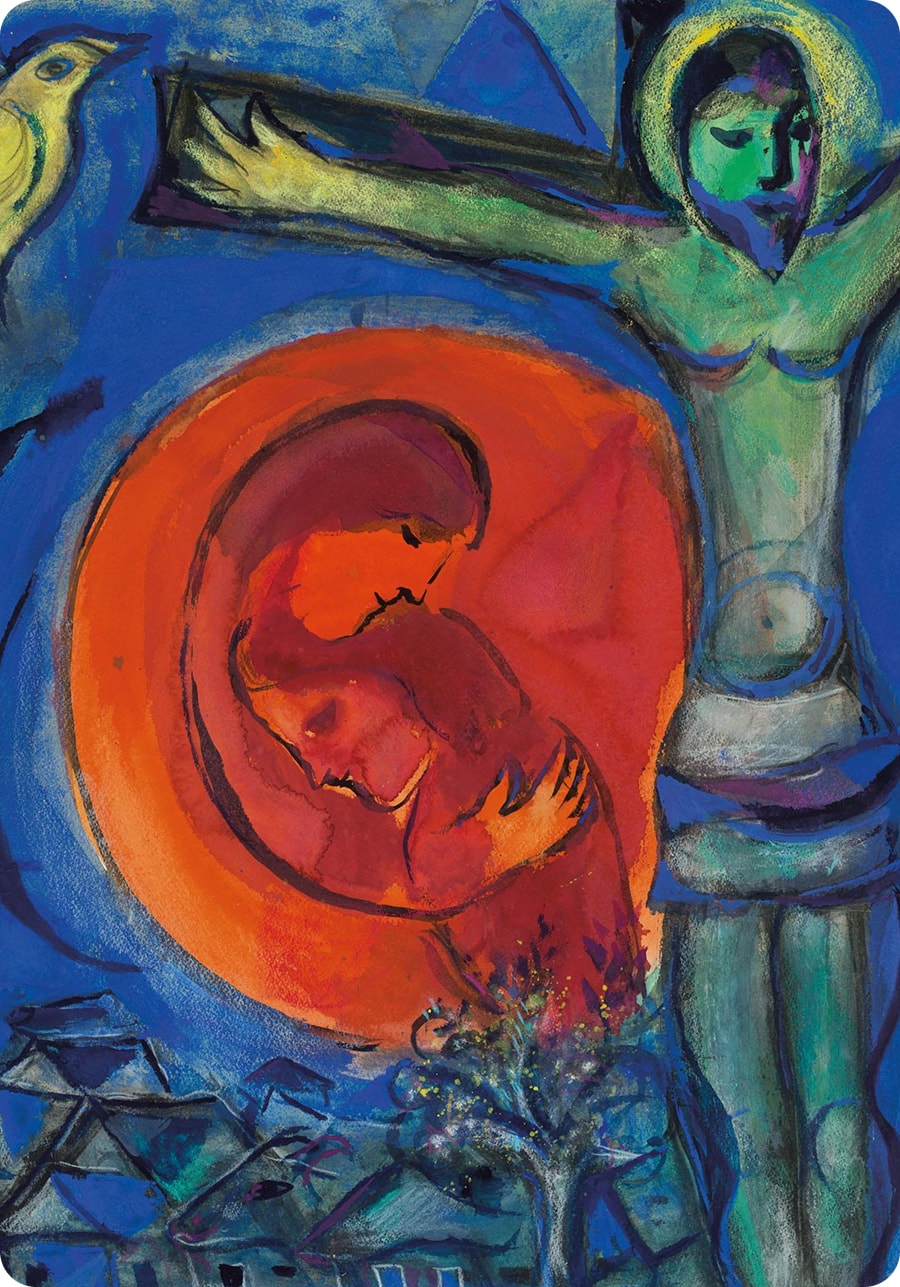
Roman Brandstaetter on his relationship to Christ
Ladies and gentlemen, in my story of Jesus of Nazareth, I intended to introduce my personal faith in the historic Christ. I could never believe in the Christ of faith, unless he is also the Christ of history. I believe in the historical Christ, the God-Man Character strictly defined by a historical framework. This specific historical context serves as a key element in understanding and believing in Jesus Christ. In the absence of the whole historical construct, I would never believe in Christ of faith. Each one of us has his own, unique concept of Christ. We are very familiar with, and attached to our own ideas of Christ, and I have no intent of debating them. Furthermore, I’m not used to discussing anyone’s ideas of faith. I have my own idea. It is closely related to my psyche, to my thinking and feeling.
I recall an exceptionally intriguing formulation made by Pope Pius XI, approximately two years before his death, I think, on the issue of racism, very topical at the time: we are all Semites by spirit. Only after I wrote the narrative of Christ, I became certain of the validity of that statement; and even more so, as I engaged in a thorough examination of the Gospel and Old Testament texts, along with additional Hebrew and extra-biblical literature. More and more, I have been concieving a deeply held notion – which is unwavering in my mind today – that throughout our history, God-Christ has been latinised.
A Christian has departed from the historic Christ and began to imbue Him with Greco-Roman values. Many reasons contributed to this, and one of them was, undoubtedly, an intense aversion towards the Jews – those supposedly responsible for deicide. As a result, these profound sentiments guided early Christians towards prioritizing the Christ of faith, while the historic Christ, with his associated attributes, was gradually receding into the background, and perhaps… even further away. That extremely wise, insightful and also correct idea of Pius XI was echoed in his own way by Thomas Merton who, in his magnificent treatise on the Psalms, suggested that in order to fully understand the Psalms, we must become the People of the East. Whoever believes this sentence worth remembering, let him remember it. Whoever thinks it’s not needed for hte deepening of his faith, let him keep his own image of God – an image I have never had an intent to question. Besides, my book has a different purpose.
To conclude this monologue of mine, I would like to mention one more detail, a very personal one. For me, the Christ of the Gospels is a threatening and demanding God. He does not conform with the sweet Bayby Jesus of the Nativity plays: a somewhat naive Hesus, somewhat infantile, or even somewhat grotesque.
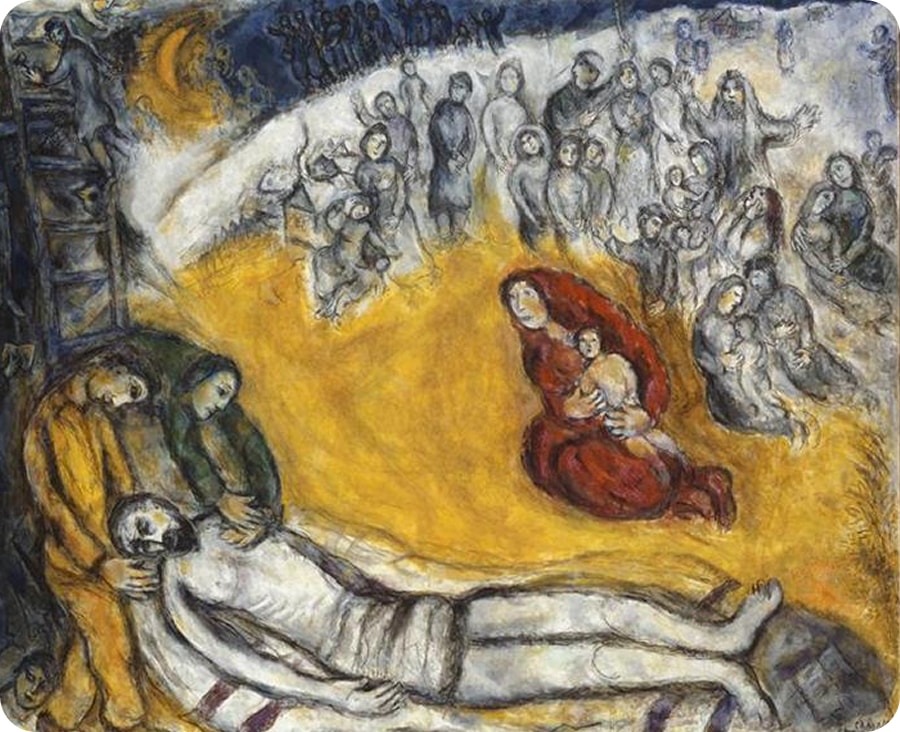
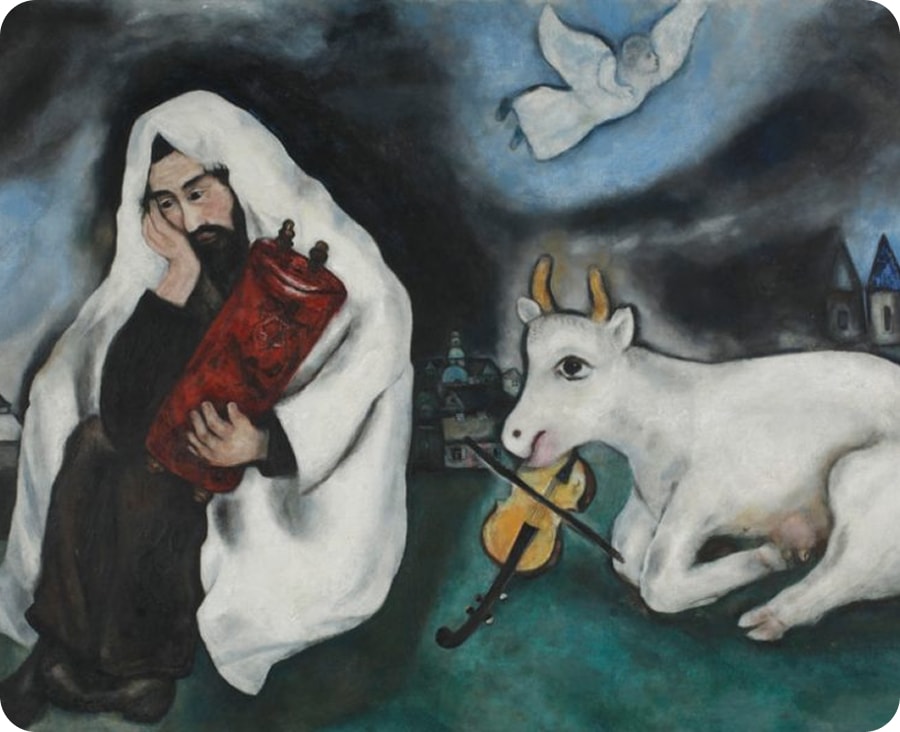
He is just and forgiving, and yet a harsh God, and to fin yourself held in his punishing hand is nothig like a Nativity play adventure. In the Gospels and Revelation, Christ is frequently depicted as the Yahwist Christ. Just recall His curses directed at Korozain, Bethsaida and Capernaum, His sevenfold “woe”, His wrath and fervor when He said to His apostle: You are Satan. Let us recall the Christ of Revelation, this Christ who is the Word with a double-edged sword poised to exact vengeance on the nations. Undoubtedly, He is a God of a quiet heart, but at the same time a God of great fervor, He is a God of mercy and rough demands, a God of forgiveness and a God of Grace, yet a God who assaults, demands and is “jealous” of man, just like His Old Testament Father. He wants to form a man in His own image. He wants to make him holy. Not figuratively, but in full meaning of the word.
Let’s not warp the Gospel texts for the purposes of our opportunistic expedience. Christ demanded of us that we leave behind everything and everyone – our father, our mother, brothers and sisters, all our possessions – and follow Him. He demanded us to be poor, because He knew that money, gold, the material possessions corrupt a man. It is not true that it pertains to “the poor in spirit”. It is about people who renounced their material possessions out of an internal spiritual need, an inner imperative. Christ, in His literal and profound call, wants us to relinquish our worldly attachment, so that we can freely follow Him, unburden by worldy pressures. Let’s not make Christ an accomplice in our miserable desires. Anyway, this is how I feel and perceive Christ. And if I did not perceive Him as such, He could not be the God of the two Testaments for me, but only the god of mythology.